
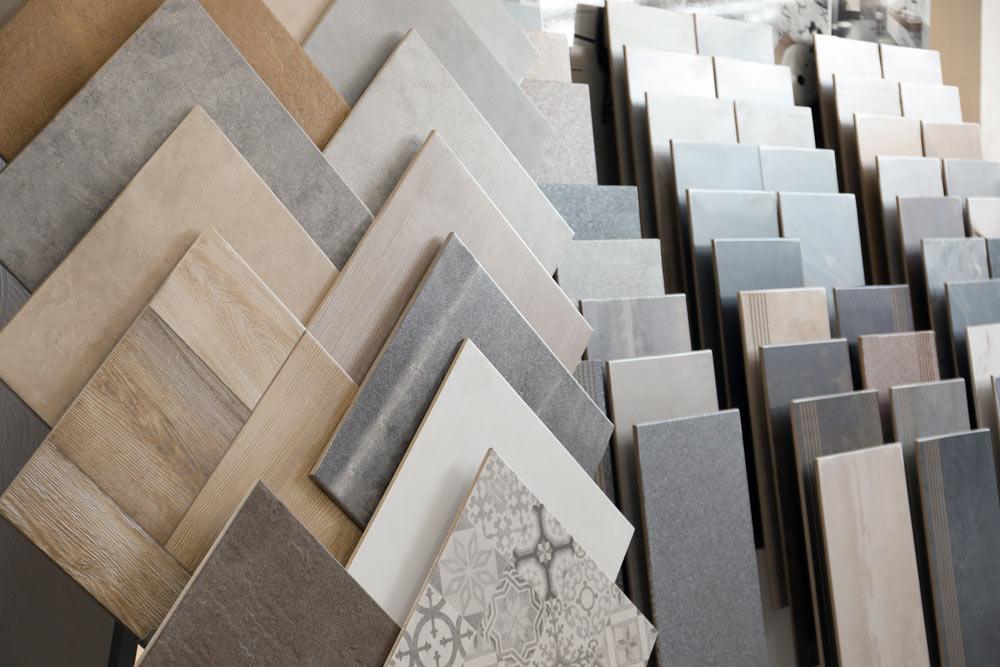
Choosing tiles for social housing kitchens and bathrooms is rarely about fashion. It’s about longevity, maintenance, safety, and cost over time. What looks good on a mood board may not hold up once a property has seen years of daily use, regular cleaning, and multiple tenant changeovers.
In practice, tile selection in social housing is a balancing act. Budgets are fixed, expectations are high, and the finished spaces must work for a wide range of occupants. From my experience on housing association projects, the best results tend to come from simple, proven choices rather than chasing trends.
Durability comes before design
In social housing, tiles are expected to last. Kitchens and bathrooms see constant use, moisture, temperature changes, and frequent cleaning. Chips, cracks, and staining quickly become maintenance issues, so durability has to sit at the top of the priority list.
Porcelain tiles are often the first choice for this reason. They’re dense, hard-wearing, and far less prone to water absorption than standard ceramic tiles. In bathrooms, that low porosity matters. It reduces the risk of moisture ingress and helps prevent long-term issues behind the tiles.
Ceramic tiles can still have a place, particularly on walls, but they need to be well specified. Thicker, better-quality ceramics tend to perform far better than budget options, which may save money initially but cost more in repairs later.
Slip resistance is not optional
Floor tiles in kitchens and bathrooms must be safe for all users, including elderly or vulnerable tenants. Slip resistance is a technical requirement, but it’s also a practical one that becomes obvious as soon as a floor gets wet.
Matt finishes generally perform better than polished surfaces. While gloss tiles may appear easier to clean, they can become hazardous in wet conditions. For bathroom floors, tiles with an appropriate slip rating are usually the safest choice.
It’s also worth remembering that slip resistance can change over time. Aggressive cleaning products, wear, and residue build-up all affect performance. Choosing tiles designed for high-use environments helps reduce this risk.
Size and layout affect maintenance
Large-format tiles are popular in private residential settings, but they aren’t always the best option for social housing. While fewer grout lines can look cleaner, larger tiles can be less forgiving on uneven substrates, which are common in refurbishment projects.
Smaller or mid-sized tiles often adapt better to imperfect floors and walls. They also make it easier to maintain correct falls in shower areas and wet rooms, reducing the risk of standing water.
Grout lines, when properly specified and installed, aren’t the enemy they’re sometimes made out to be. A good-quality grout, installed correctly, can be durable, easy to clean, and straightforward to repair if needed.
Neutral colours stand the test of time
Social housing tiles need to appeal to a wide range of tenants. Strong patterns or bold colours may suit some occupants but alienate others. Over time, they can also date a space quickly.
Neutral tones such as whites, light greys, and soft beiges tend to work best. They create bright, clean spaces and are less likely to clash with tenants’ own furnishings. Importantly, they also make maintenance issues easier to spot during inspections.
There’s a temptation to introduce feature tiles to add interest, but these can complicate future repairs. Matching a discontinued feature tile years later is far more difficult than replacing a standard, widely available option.
Wall tiles should prioritise cleanability
Kitchen and bathroom walls in social housing need to cope with grease, moisture, and regular wiping down. Gloss or semi-gloss finishes are often preferred here, not for style reasons, but because they’re easier to clean.
In kitchens, splashback areas should be tiled with materials that resist staining and don’t discolour over time. Bathrooms require tiles that can handle steam and repeated exposure to cleaning chemicals without degrading.
Again, consistency matters. Using the same wall tile across multiple properties simplifies maintenance and stock management for housing providers.
Grout selection is as important as the tile
Grout is often overlooked during specification, yet it plays a huge role in how a tiled area performs over time. In social housing, grout needs to be durable, stain-resistant, and easy to clean.
Mid-tone greys are commonly used because they hide minor staining better than white, while still looking clean. Very dark grouts can show limescale and residue just as clearly as light ones.
Where budgets allow, improved or modified grouts can offer better resistance to moisture and staining. While they may cost more upfront, they can reduce maintenance calls significantly.
Consistency simplifies long-term management
Housing associations often manage large numbers of properties. Using a limited range of tile types across kitchens and bathrooms makes repairs and upgrades far easier.
Consistency allows contractors to work more efficiently and reduces the risk of mismatched finishes during repairs. It also helps housing providers keep spare stock available for future maintenance.
From a tiling perspective, familiar products also reduce installation issues. When materials behave predictably, quality becomes easier to control across multiple sites.
Budget should be viewed long term
It’s understandable to focus on upfront cost, especially on large-scale projects. However, the cheapest tile rarely offers the best value.
Tiles that crack, stain, or fail early lead to repeat visits, tenant disruption, and reputational damage. A slightly higher initial spend on proven materials often pays for itself through reduced maintenance and longer service life.
This long-term view is especially important in social housing, where properties may remain in use for decades with minimal refurbishment.
Getting the basics right
Ultimately, the best tile choices for social housing kitchens and bathrooms are rarely exciting. They’re practical, consistent, and well understood. Porcelain floors, durable wall tiles, sensible sizes, neutral colours, and reliable grouts form the backbone of successful specifications.
What makes the biggest difference isn’t chasing trends, but sticking to materials that installers trust and that stand up to real-world use. When tiles are chosen with longevity in mind, everyone benefits: tenants, housing providers, and maintenance teams alike.
In my experience, the projects that perform best over time are the ones that resist overcomplication. Simple choices, properly installed, tend to outlast even the most carefully curated designs.