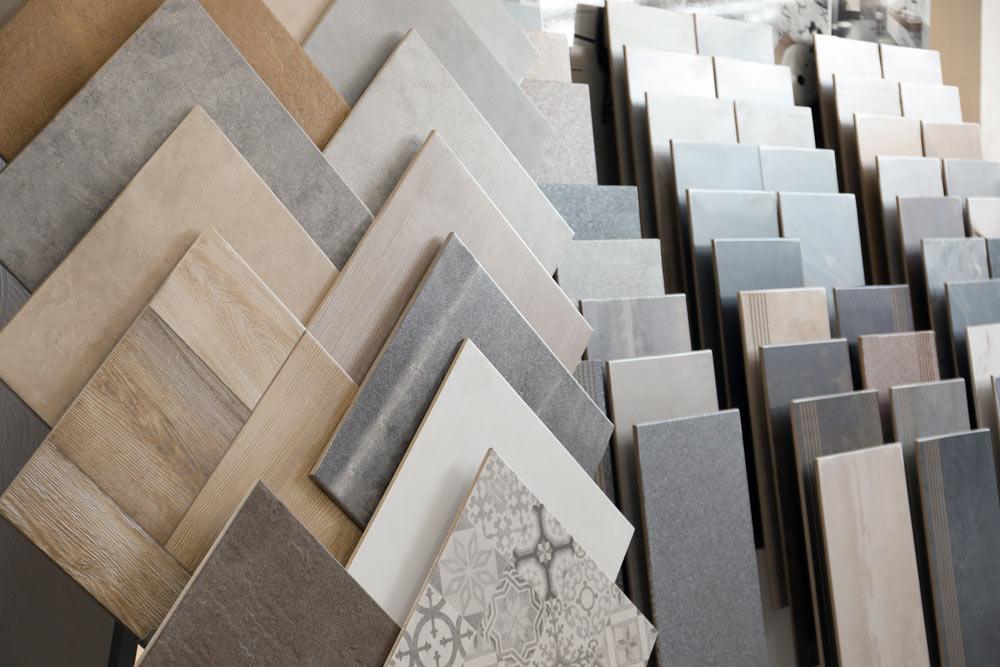

When it comes to specifying tiles for commercial projects, price is often the first factor to catch an eye. It’s tempting to choose a low-cost option to save on upfront expenditure. On paper, it seems like an easy way to reduce budgets and keep developers or clients happy. Yet anyone who has managed large-scale projects knows that the cheapest tiles rarely remain cheap in the long run. In fact, they often end up costing significantly more over time.
Understanding why requires looking beyond the initial purchase price. Tiles are part of a system: substrate, adhesive, grout, and installation quality all interact. If the tiles themselves are substandard, the consequences ripple through every aspect of the project.
Quality affects durability
The most obvious cost of cheap tiles comes from durability—or lack of it. Low-cost tiles are often manufactured with thinner bodies, lower-grade materials, or inconsistent glazing. On a residential job, a cracked tile in a kitchen or bathroom may be a minor inconvenience. On a commercial site—think hotels, schools, hospitals, or social housing developments—failure can be catastrophic.
Cracked or chipped tiles require repairs, which often involve ripping out surrounding tiles, reapplying adhesive, and replacing grout. On large projects, this can involve dozens, if not hundreds, of tiles. Labour costs quickly outweigh any initial savings on the product itself. In some cases, the disruption caused to tenants, staff, or visitors adds indirect costs that are far more expensive than the tile.
Installation becomes more complicated
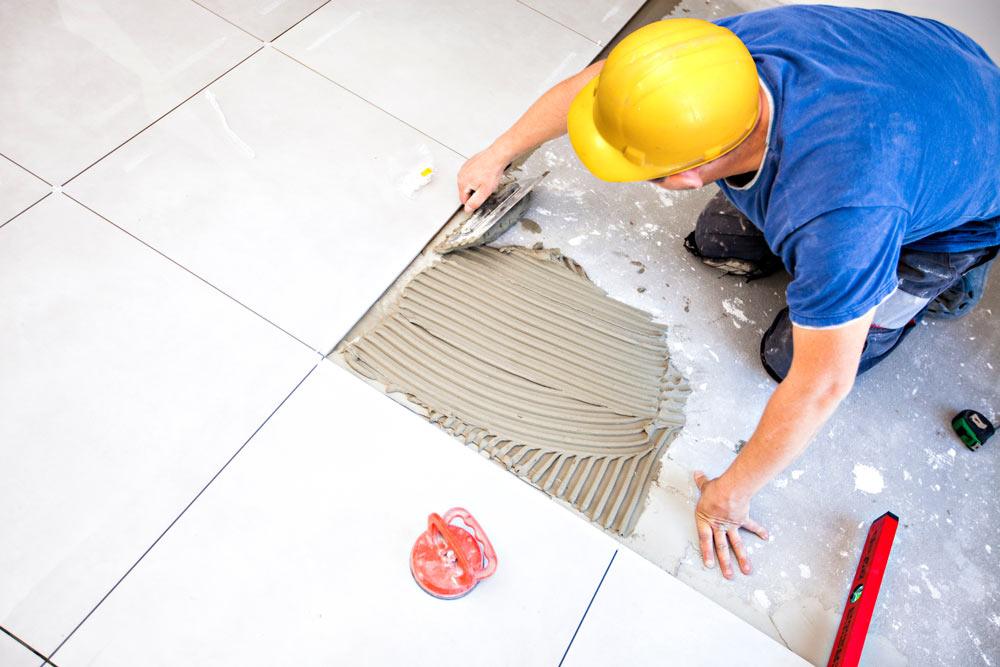
Cheap tiles rarely behave as predictably as higher-quality options. Variations in size, shape, or thickness—known as “warping” or “lippage”—make installation slower and more demanding. Tilers have to spend extra time adjusting each tile to maintain level floors and even joints, increasing labour costs.
On a commercial scale, even minor inconsistencies compound. Imagine a 50-unit apartment block where each bathroom has 12–15 tiles per floor. Small size variations can create alignment issues that multiply across all units, requiring additional labour and oversight. In effect, the cheaper tile becomes a hidden cost in both time and manpower.
Maintenance and cleaning issues
Commercial properties are high-traffic environments. Tiles in kitchens, bathrooms, corridors, and public areas are constantly exposed to foot traffic, spills, and cleaning chemicals. Low-cost tiles may not be able to withstand the repeated scrubbing, heavy-duty cleaning products, or temperature fluctuations common in commercial settings.
Discolouration, surface scratches, and staining can appear quickly, making areas look worn or neglected. This not only necessitates earlier repairs or replacement but can also affect client or tenant perception—something especially critical in hotels, restaurants, or communal housing. High-quality tiles, though initially more expensive, resist wear and keep spaces looking fresh for longer.
Grout and joint problems
Tile failure isn’t limited to the tiles themselves. Cheap tiles often require lower-quality grout or adhesives to match their performance. These materials may shrink, crack, or stain more easily. Even if the tiles survive, failing grout can allow moisture to penetrate, leading to mould, water damage, or structural issues.
On commercial sites, these failures can become significant health and safety concerns. Bathrooms, kitchens, and communal areas with water ingress or mould risk might need full remediation, which is far costlier than simply choosing a more durable tile and grout combination upfront.
Replacement and downtime costs
Replacing cheap tiles in a commercial environment is rarely a simple job. Many buildings require phased closures or temporary relocations to allow safe access for repair work. For example, replacing a failed tile floor in a hospital ward or school corridor may involve closing off sections, moving staff or students, and scheduling contractors around other site activity.
All of these logistical challenges translate into real costs that aren’t reflected in the original tile price. What seemed like a small saving initially often becomes a major line item in both the budget and the project timeline.
Aesthetic consistency
Cheap tiles are also more likely to have inconsistencies in colour, finish, or surface texture. In residential projects, minor variations may go unnoticed. In commercial environments, especially those with multiple rooms, floors, or sites, inconsistencies can be glaring.
Correcting these inconsistencies often means sourcing replacement tiles from a different batch, which may not match exactly. This can result in additional costs or compromises on the finished look of the project. Maintaining a professional, uniform appearance often necessitates using higher-grade tiles in the first place.
Health, safety, and compliance
Commercial projects often have strict standards for slip resistance, fire rating, hygiene, and other compliance requirements. Cheap tiles may fail to meet these standards, either initially or as they wear.
For example, in a hospital or school, tiles that become slippery when wet could lead to accidents. Similarly, tiles that absorb water or degrade over time can create fire or hygiene hazards. Non-compliance can result in legal liability, project delays, or even fines, all of which are far more costly than specifying the right tile at the start.
The illusion of savings
The key issue with cheap tiles is that they create an illusion of savings. The initial purchase price is visible and easy to calculate, but the downstream costs—labour, repair, maintenance, downtime, compliance—are often hidden.
Commercial projects operate on tight margins and strict timelines. Unexpected repairs, slow installation, and early failures can disrupt schedules, frustrate clients, and erode confidence. The cumulative impact often dwarfs any small savings on tile costs.
How to choose wisely
The takeaway isn’t that commercial projects should ignore cost. Budget management remains critical. But tile selection should be approached with a long-term perspective:
-
Prioritise durability: Choose tiles designed for high-traffic, high-use environments. Porcelain or industrial-grade ceramics are often the most reliable.
-
Consider installation efficiency: Uniform, high-quality tiles reduce labour time and minimise alignment issues.
-
Check compliance: Ensure tiles meet relevant safety, hygiene, and fire standards.
-
Think maintenance: Tiles that resist staining, chipping, and wear will reduce long-term upkeep costs.
-
Factor total cost of ownership: Include labour, replacement, and downtime costs in your calculations, not just the price per square metre.
Conclusion
Cheap tiles can seem attractive on paper, especially when budgets are tight. Yet in commercial settings, they rarely stay cheap. Hidden costs—from extra labour and installation headaches to early failure, maintenance issues, and compliance risks—often outweigh initial savings.
Choosing higher-quality, purpose-made tiles may involve a higher upfront investment, but it protects the project long-term, reduces unforeseen expenses, and ensures durability, safety, and aesthetic consistency. In the end, the smartest commercial tiling decisions aren’t made on price alone—they’re made on performance, reliability, and total cost of ownership.
Investing in the right tile from the start saves money, protects tenants and users, and keeps projects running smoothly. The cheapest option today can become the most expensive tomorrow.